INTRODUCTION
Living in a tropical climate comes with many benefits including warm weather sunshine and lush natural environments However tropical regions also present unique challenges for maintaining healthy skin High temperatures humidity intense sunlight frequent sweating and increased exposure to microorganisms can all affect the health and appearance of the skin
Across many parts of Africa people deal with skin concerns such as acne fungal infections excessive oiliness sun damage heat rash hyperpigmentation and premature aging These conditions are often made worse by environmental factors that are common in tropical climates
The good news is that healthy skin is achievable even in the hottest and most humid environments Understanding how tropical weather affects your skin and adopting the right skincare habits can help you maintain a clear healthy and radiant complexion throughout the year
This complete guide explores everything you need to know about caring for your skin in tropical climates including common skin problems prevention strategies skincare routines dietary recommendations and expert tips for long term skin health
UNDERSTANDING HOW TROPICAL CLIMATES AFFECT THE SKIN
Tropical climates are generally characterized by high temperatures high humidity frequent rainfall and intense ultraviolet radiation
These environmental conditions influence how the skin functions every day
Increased Sweat Production
The body naturally produces sweat to cool itself
In hot climates sweating increases significantly
While sweating helps regulate body temperature excessive sweat can
Clog pores
Cause irritation
Encourage bacterial growth
Promote fungal infections
Trigger acne breakouts
Excess Oil Production
Heat often stimulates the sebaceous glands causing them to produce more oil
Excess oil can contribute to
Shiny skin
Blocked pores
Blackheads
Whiteheads
Acne flare ups
Dehydration
Many people assume humid climates prevent dehydration
In reality excessive sweating can lead to significant fluid loss
When hydration levels drop the skin may become
Dull
Sensitive
Irritated
More prone to damage
Sun Exposure
Tropical regions receive stronger ultraviolet radiation throughout the year
Prolonged sun exposure can cause
Sunburn
Hyperpigmentation
Dark spots
Wrinkles
Loss of skin elasticity
Premature aging
Increased risk of skin cancer
Increased Microbial Growth
Warm moist conditions create ideal environments for fungi bacteria and other microorganisms
This contributes to the high prevalence of skin infections in tropical regions
COMMON SKIN PROBLEMS IN TROPICAL CLIMATE
Acne
Acne is one of the most common skin concerns in tropical environments
Excess sweat oil and dirt can accumulate on the skin leading to clogged pores and inflammation
People with oily skin often experience more frequent breakouts during hot weather
Fungal Acne
Fungal acne develops when yeast naturally present on the skin grows excessively within hair follicles
It commonly appears as small itchy bumps on
The forehead
Chest
Back
Shoulders
The condition is particularly common in humid climates
Heat Rash
Heat rash occurs when sweat becomes trapped beneath the skin
Symptoms may include
Small red bumps
Itching
Stinging sensation
Skin irritation
Heat rash is especially common in infants outdoor workers and individuals who sweat heavily
Hyperpigmentation
Dark spots and uneven skin tone frequently occur in tropical regions
Triggers include
Sun exposure
Acne scars
Skin injuries
Inflammation
Hormonal changes
Without proper protection pigmentation issues can become difficult to manage
Athletes Foot
Warm moist conditions inside shoes create ideal environments for fungal growth
Symptoms may include
Itching
Peeling skin
Burning sensation
Cracked skin between the toes
Ringworm
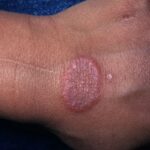
Ringworm is a contagious fungal infection that spreads easily in hot humid conditions
It commonly appears as circular itchy patches with raised borders
Excessive Oiliness
Many individuals struggle with oily skin throughout the year in tropical climates
Increased oil production may contribute to
Shiny appearance
Acne
Enlarged pores
Frequent breakouts
THE IMPORTANCE OF A PROPER SKINCARE ROUTINE
Consistency is one of the most important factors in maintaining healthy skin
A simple effective skincare routine often produces better results than using numerous complicated products
Morning Skincare Routine
Gentle Cleansing
Begin the day by removing overnight oil sweat and debris
Choose a cleanser suitable for your skin type
Avoid harsh products that strip away natural moisture
Apply Antioxidants
Antioxidants help protect the skin against environmental stressors and free radical damage
Common beneficial ingredients include
Vitamin C
Niacinamide
Green tea extract
Apply Moisturizer
Even oily skin requires moisture
Lightweight moisturizers help maintain the skins protective barrier without causing excessive greasiness
Use Sunscreen Daily
Sunscreen is one of the most important skincare products in tropical climates
Apply broad spectrum sun protection every morning regardless of whether the weather appears cloudy
Sun protection helps prevent
Sunburn
Dark spots
Premature aging
Uneven skin tone
Even brief daily exposure can contribute to cumulative skin damage over time
Evening Skincare Routine
Cleanse Thoroughly
Remove dirt sweat sunscreen and pollutants accumulated throughout the day
Nighttime cleansing helps prevent clogged pores and breakouts
Use Treatment Products if Needed
Depending on individual concerns treatment products may target
Acne
Hyperpigmentation
Fine lines
Uneven texture
Always introduce new products gradually
Moisturize Before Bed
Nighttime hydration supports skin repair and recovery while you sleep
Choosing the Right Products for Tropical Climates
Look for Lightweight Formulas
Heavy products may feel uncomfortable in hot weather
Lightweight gels lotions and water based formulations are often more suitable
Choose Non Comedogenic Products
Non comedogenic products are designed not to clog pores
They can help reduce acne breakouts and excessive oil buildup
Avoid Excessively Oily Products
Heavy oils may worsen acne and fungal skin conditions in some individuals
Pay Attention to Ingredients
Helpful ingredients include
Niacinamide
Hyaluronic acid
Ceramides
Vitamin C
Salicylic acid
Aloe vera
Green tea extract
THE BEST WAY TO PREVENT ACNE IN A TROPICAL CLIMATE
Wash your face regularly
Avoid touching your face unnecessarily
Keep hair clean and away from the face
Use lightweight skincare products
Shower after sweating
Change pillowcases frequently
Stay hydrated
Avoid picking pimples
Consistent habits often produce better results than aggressive treatments
Protecting Your Skin From Sun Damage
Limit Peak Sun Exposure
The sun is strongest during midday hours
Whenever possible seek shade during periods of intense sunlight
Wear Protective Clothing
Protective measures include
Wide brimmed hats
Long sleeves
Sunglasses
Umbrellas
Protective clothing provides an additional barrier against ultraviolet radiation
Reapply Sunscreen
Sweating and outdoor activity can reduce sunscreen effectiveness
Regular reapplication improves protection throughout the day
THE ROLE OF DIET IN HEALTHY SKIN
Healthy skin begins from within
The foods you eat can significantly influence your skins appearance and resilience
Eat More Fruits And Vegetables
These foods provide vitamins minerals and antioxidants that support skin health
Excellent choices include
Oranges
Mangoes
Papaya
Spinach
Carrots
Tomatoes
Watermelon
Berries
Consume Adequate Protein
Protein supports skin repair and collagen production
Sources include
Fish
Eggs
Beans
Lean meats
Nuts
Legumes
Include Healthy Fats
Healthy fats help maintain skin elasticity and barrier function
Sources include
Avocados
Seeds
Nuts
Olive oil
Fatty fish
Reduce Excess Sugar
High sugar intake may contribute to inflammation and worsen certain skin conditions
Moderation is beneficial for both overall health and skin health
Hydration and Skin Health
Water plays a critical role in maintaining healthy skin
Benefits of proper hydration include
Improved skin elasticity
Better circulation
Reduced dryness
Enhanced healing
Healthier skin barrier function
In tropical climates fluid needs may increase because of higher sweat losses
Managing Excessive Sweating
Sweating is natural but excessive moisture can contribute to skin problems
Helpful strategies include
Wearing breathable clothing
Using clean towels
Changing sweaty clothes promptly
Taking regular showers
Keeping skin folds dry
These habits reduce the risk of fungal and bacterial infections
PREVENTING COMMON SKIN INFECTIONS
Maintain Good Hygiene
Clean skin regularly without excessive scrubbing
Avoid Sharing Personal Items
Never share
Towels
Razors
Clothing
Footwear
Hair brushes
Keep Skin Dry
Fungi thrive in moist environments
Dry the skin thoroughly after bathing and exercise
Treat Skin Problems Early
Prompt treatment prevents minor issues from developing into more serious infections
HEALTHY LIFESTYLE HABITS FOR BETTER SKIN
Get Enough Sleep
Sleep supports cellular repair and immune function
Most adults benefit from seven to nine hours of quality sleep each night
Manage Stress
Stress can contribute to
Acne
Inflammation
Skin sensitivity
Delayed healing
Effective stress management supports healthier skin
Exercise Regularly
Physical activity improves circulation and overall wellbeing
Shower promptly after exercise to remove sweat and reduce bacterial buildup
Avoid Smoking
Smoking accelerates skin aging and impairs healing
Avoiding tobacco products supports long term skin health
Special Skin Care Tips for Children in Tropical Climates
Children are especially vulnerable to certain skin conditions
Parents should focus on
Regular bathing
Sun protection
Clean clothing
Prompt treatment of rashes
Keeping nails short
Encouraging hand washing
These practices reduce the risk of infections and irritation
When to See a Dermatologist
Professional medical advice may be necessary if
Acne becomes severe
Skin infections keep returning
Rashes spread rapidly
Dark spots worsen
Symptoms become painful
Home treatments are ineffective
Early intervention often prevents complications and improves outcomes
COMMON MYTHS ABOUT SKINCARE IN TROPICAL CLIMATE
Oily Skin Does Not Need Moisturizer
This is false
All skin types require hydration
The key is choosing the appropriate moisturizer
Dark Skin Cannot Be Damaged by the Sun
While darker skin provides some natural protection sun damage and hyperpigmentation can still occur
Sunscreen remains important for all skin tones
Sweating Cleanses the Skin Completely
Sweating helps regulate temperature but does not remove all dirt bacteria or oil
Proper cleansing is still necessary
More Products Mean Better Results
Using too many products may irritate the skin
Simple consistent routines often produce the best outcomes
CONCLUSION
Maintaining healthy skin in tropical climates requires understanding how heat humidity sunlight and environmental factors affect the skin every day While conditions such as acne fungal infections heat rash hyperpigmentation and excessive oiliness are common they can often be prevented through proper skincare and healthy lifestyle habits
A consistent routine that includes cleansing moisturizing sun protection hydration proper nutrition and good hygiene provides the foundation for long term skin health
Healthy skin is not about perfection It is about creating habits that support your skin every day By making informed choices and caring for your skin consistently you can enjoy a clearer healthier and more radiant complexion regardless of how hot or humid the climate may be
FREQUENTLY ASKED QUESTIONS
Is sunscreen necessary in tropical climates
Yes daily sunscreen use is one of the most effective ways to protect the skin from sun damage hyperpigmentation and premature aging
Why is my skin oilier in hot weather
Heat stimulates the sebaceous glands causing increased oil production
Can humidity cause acne
Humidity can contribute to acne by increasing sweat oil production and pore congestion
How often should I wash my face in a tropical climate
Most people benefit from cleansing twice daily and after excessive sweating
What is the best way to prevent fungal skin infections
Keeping the skin clean dry and well ventilated while avoiding prolonged moisture exposure is one of the most effective preventive measures
Can drinking more water improve my skin
Proper hydration supports overall skin function and helps maintain a healthy skin barrier
What foods are best for healthy skin
Fruits vegetables lean proteins healthy fats and foods rich in vitamins and antioxidants support healthier skin
How can I reduce dark spots caused by the sun
Daily sunscreen use protective clothing and appropriate skincare products can help reduce and prevent hyperpigmentation over time