INTRODUCTION
Skin infections are among the most common health concerns affecting millions of people across Africa The continents warm climate humid conditions and varying levels of access to healthcare make skin infections a common problem for people of all ages From fungal infections and bacterial diseases to parasitic skin conditions many Africans experience skin related health issues at some point in their lives
The skin serves as the body’s first line of defense against harmful microorganisms However when the skin becomes damaged exposed to excessive moisture or affected by poor hygiene practices infections can easily develop Some skin infections cause mild irritation while others can become serious if left untreated
Understanding the causes symptoms prevention methods and treatment options for common skin infections can help individuals protect themselves and their families This guide explores ten of the most common skin infections found across Africa and offers practical advice on maintaining healthy skin
1 RINGWORM TINEA
Ringworm is one of the most common skin infections in Africa Despite its name it is not caused by a worm but by a group of fungi known as dermatophytes These fungi thrive in warm humid conditions making many parts of Africa an ideal environment for their growth
Ringworm can affect different parts of the body including the scalp body feet and nails The infection spreads easily through direct contact with infected individuals animals clothing towels bedding and contaminated surfaces
Common symptoms include circular red patches itchy skin flaky scales hair loss on the scalp and cracked skin between the toes In children scalp ringworm is especially common and may lead to noticeable bald patches if not treated promptly
Prevention involves maintaining good hygiene avoiding the sharing of personal items keeping the skin dry and washing hands regularly Treatment typically includes antifungal creams shampoos powders or oral medications depending on the severity of the infection
2 ATHELETS FOOT TINEA PEDIS
Athletes foot is another fungal infection frequently seen in tropical and subtropical regions It mainly affects the feet especially the spaces between the toes
The infection develops when fungi grow in warm moist environments such as sweaty shoes damp socks and communal bathrooms Many people unknowingly create conditions that encourage fungal growth by wearing closed footwear for long periods
Symptoms include itching burning redness peeling skin cracking between the toes and unpleasant foot odor In severe cases blisters may develop causing pain and discomfort
Keeping feet clean and dry changing socks regularly and wearing breathable footwear are effective prevention strategies Antifungal treatments are generally successful when used consistently
3 SCABIES
Scabies is a highly contagious skin condition caused by microscopic mites that burrow into the skin These mites trigger an allergic reaction leading to intense itching and skin irritation
Scabies spreads through close physical contact and shared bedding clothing or towels Crowded living conditions can increase transmission making outbreaks more common in densely populated communities
Symptoms include severe itching especially at night small red bumps rashes and thin burrow like lines on the skin The wrists fingers elbows waist and underarms are commonly affected areas
Effective treatment requires prescription medications that kill the mites It is important to treat all household members and wash clothing bedding and towels thoroughly to prevent reinfection
4 IMPETIGO
Impetigo is a contagious bacterial skin infection that commonly affects children although adults can also develop the condition It occurs when bacteria enter the skin through cuts scratches insect bites or other minor injuries
The infection often begins as small red sores that quickly develop into fluid filled blisters These blisters eventually burst and form thick crusts on the skin
Impetigo can spread rapidly through direct contact and shared personal items Good hygiene and prompt wound care are important preventive measures
Treatment usually involves antibiotic creams or oral antibiotics prescribed by a healthcare professional Early treatment helps prevent complications and limits transmission
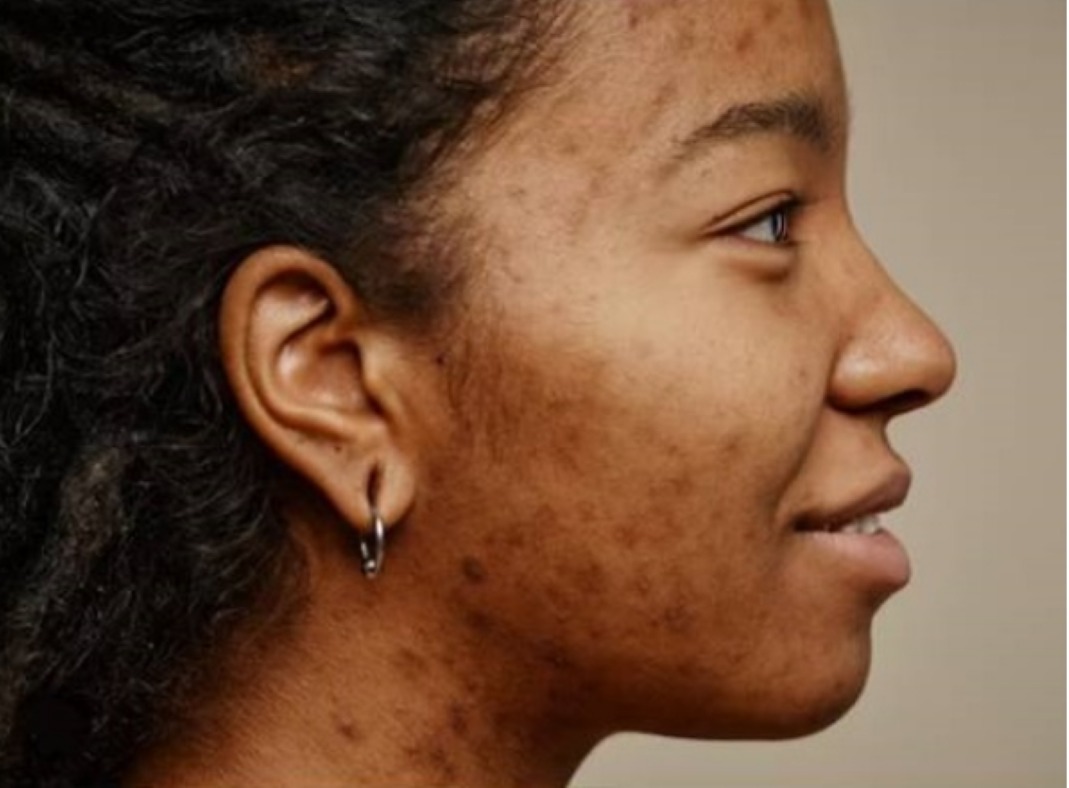
5 ACNE VULGARIS
Acne is one of the most widespread skin conditions affecting adolescents and adults across Africa While not traditionally classified as an infection bacterial involvement contributes significantly to acne development
Acne occurs when hair follicles become clogged with oil dead skin cells and bacteria Hormonal changes stress diet and genetics can all influence acne severity
Common symptoms include pimples blackheads whiteheads cysts inflammation and acne scars In some cases severe acne can affect self confidence and emotional wellbeing
Maintaining a consistent skincare routine avoiding harsh products and seeking appropriate treatment can help control breakouts and reduce scarring
6 FOLLICUTILIS
Folliculitis occurs when hair follicles become infected by bacteria fungi or other microorganisms It can affect any area of the body where hair grows
Factors that increase risk include shaving excessive sweating friction from tight clothing poor hygiene and weakened immunity
Symptoms typically include small red bumps pus filled pimples itching tenderness and mild pain around affected hair follicles
Proper hygiene careful shaving techniques and wearing loose fitting clothing can help reduce the risk of folliculitis Mild cases may resolve on their own while more severe infections may require medical treatment
7 CELLULITIS
Cellulitis is a serious bacterial infection affecting the deeper layers of the skin and underlying tissues It often develops when bacteria enter through cuts wounds burns or cracked skin
The infection causes redness swelling warmth tenderness and pain in the affected area Fever and chills may also occur in more severe cases
Without prompt treatment cellulitis can spread rapidly and lead to serious complications Therefore early medical attention is essential
Preventive measures include proper wound care maintaining healthy skin and seeking treatment for skin injuries before infection develops
8 CANDIDIASIS
Candidiasis is a fungal infection caused by the overgrowth of Candida yeast Although Candida naturally exists on the skin and within the body certain conditions can allow it to multiply excessively
Warm moist areas of the body such as skin folds under the breasts groin and armpits are particularly vulnerable
Symptoms include redness itching burning irritation white patches and discomfort The infection is more common among individuals with diabetes weakened immune systems or prolonged antibiotic use
Keeping affected areas dry maintaining good hygiene and managing underlying health conditions can help prevent candidiasis Antifungal medications are usually effective treatments
9 BOILS AND SKIN ABSCESSES
Boils are painful infections that develop beneath the skin often around hair follicles or oil glands They usually result from bacterial infections particularly those caused by Staphylococcus bacteria
Initially boils appear as tender red lumps that gradually enlarge as pus accumulates beneath the skin The surrounding area may become swollen warm and painful
Good personal hygiene proper wound care and regular hand washing can help prevent boils Small boils may drain naturally while larger abscesses often require professional medical treatment
10 PITYRIASIS VERSICOLOR
Pityriasis versicolor is a common fungal skin infection that causes patches of skin discoloration The responsible fungus naturally lives on the skin but can overgrow under certain conditions
Hot weather excessive sweating oily skin and weakened immunity can increase susceptibility
Affected individuals may develop white brown pink or darker patches on the chest back shoulders neck and arms Mild itching may also occur
Although the condition is not dangerous it can affect appearance and confidence Antifungal creams shampoos and medications are often effective in controlling symptoms
WHY SKIN INFECTIONS ARE COMMON IN AFRICA
Several factors contribute to the high prevalence of skin infections across Africa
Hot and humid climates provide ideal conditions for fungal and bacterial growth
Overcrowded living conditions facilitate the spread of contagious infections
Limited healthcare access can delay diagnosis and treatment
Poor sanitation and inadequate hygiene increase infection risk
Occupational exposure in agriculture construction mining and outdoor labor often leads to skin injuries and infections
HOW TO PREVENT SKIN INFECTIONS
Good personal hygiene remains one of the most effective preventive measures
Bathe regularly and keep the skin clean
Dry the body thoroughly after bathing especially between skin folds and toes
Avoid sharing towels clothing bedding and personal grooming items
Wear breathable clothing and footwear
Treat cuts scratches and wounds promptly
Wash hands frequently
Maintain a healthy immune system through balanced nutrition exercise and adequate sleep
WHEN TO SEEK MEDICAL ATTENTION
Consult a healthcare professional if
Symptoms worsen despite treatment
The infection spreads rapidly
Fever develops
Pain becomes severe
The condition repeatedly returns
Large areas of skin become affected
Early diagnosis and treatment can prevent complications and improve recovery outcomes
CONCLUSION
Skin infections continue to affect millions of people across Africa each year Conditions such as ringworm athletes foot scabies impetigo acne folliculitis cellulitis candidiasis boils and pityriasis versicolor remain among the most frequently encountered skin problems
Fortunately many skin infections can be prevented through proper hygiene healthy lifestyle habits and early intervention Recognizing the signs and symptoms of common skin conditions allows individuals to seek treatment before complications develop
Healthy skin contributes significantly to overall wellbeing confidence and quality of life By adopting preventive measures and seeking appropriate care when necessary individuals and communities can reduce the burden of skin infections and enjoy healthier lives
Understanding these common skin infections is the first step toward better skin health across Africa