INTRODUCTION
Few things are more frustrating than treating a skin infection only to have it return weeks or months later Many people across Africa experience recurring skin infections that seem to disappear after treatment but eventually come back Sometimes the infection returns in the same area while in other cases it spreads to different parts of the body
Recurring skin infections can affect confidence daily comfort and overall quality of life They can also indicate underlying issues that have not been properly addressed Understanding why skin infections keep coming back is the first step toward achieving healthier skin and preventing future outbreaks
In this comprehensive guide we will explore the most common reasons skin infections recur the risk factors involved and the best strategies for long term prevention
WHAT ARE RECURRING SKIN INFECTIONS
A recurring skin infection is an infection that returns after treatment or repeatedly affects the same person over time
Common recurring skin infections include
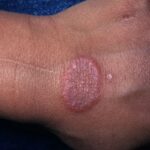
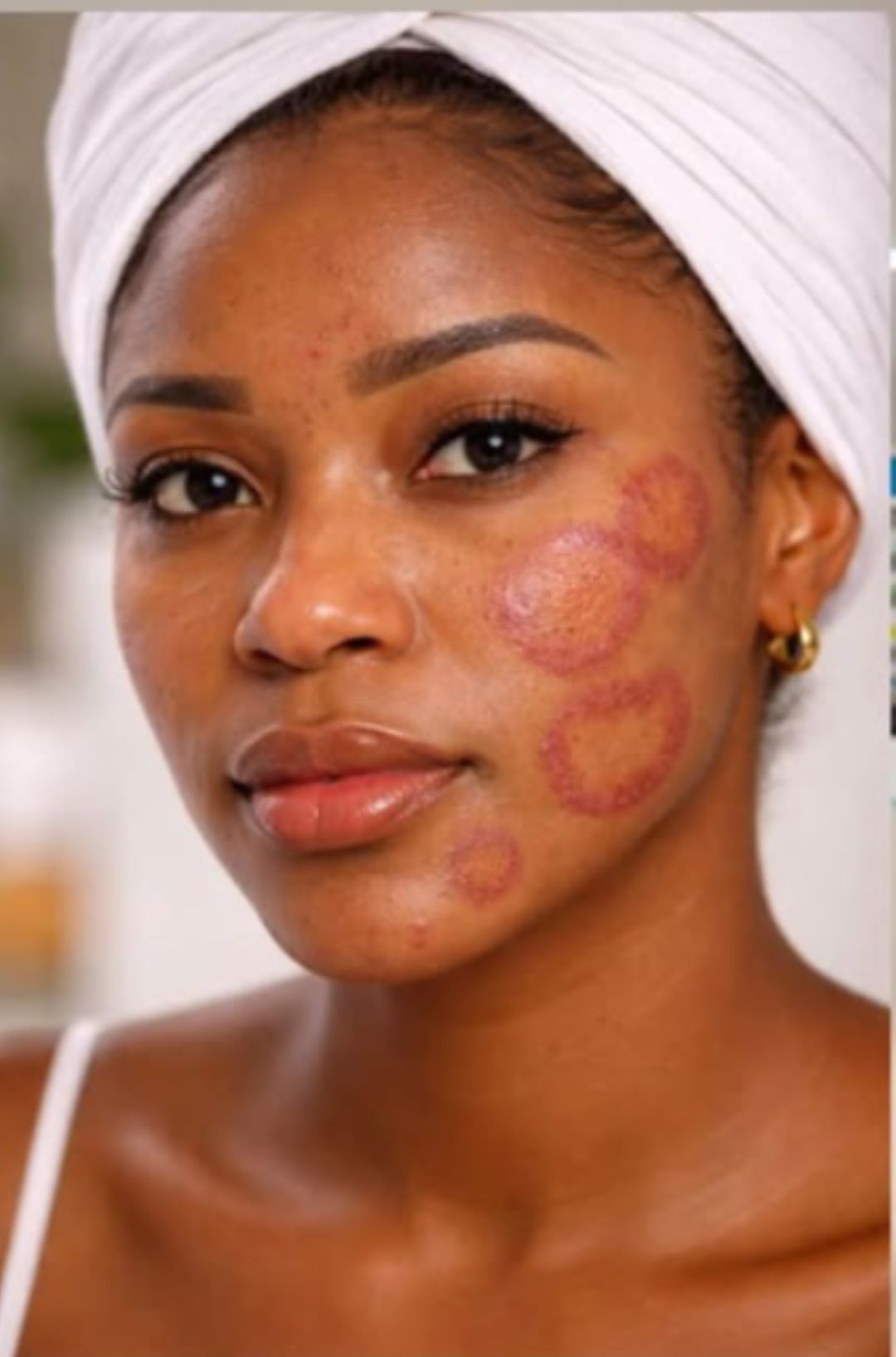
Ringworm
Athletes foot
Scabies
Boils
Folliculitis
Fungal acne
Yeast infections
Bacterial skin infections
These conditions may appear to heal completely but can return if the underlying cause remains unresolved
WHY SKIN INFECTIONS KEEP COMING BACK
Incomplete Treatment
One of the most common reasons skin infections return is that treatment was stopped too early
Many people discontinue medication once symptoms improve believing the infection is gone However some bacteria fungi or parasites may still remain on the skin
When treatment is not completed as directed the infection can return and may even become more difficult to treat
Poor Personal Hygiene
Good hygiene plays a major role in preventing skin infections
Failing to wash regularly wearing dirty clothing or using unclean towels can create an environment where microorganisms thrive
Poor hygiene allows bacteria fungi and other organisms to remain on the skin increasing the likelihood of reinfection
Sharing Personal Items
Sharing personal items is a common cause of recurring infections
ITEMS THAT SHOULD NEVER BE SHARED INCLUDES
Towels
Clothing
Hair brushes
Combs
Bed sheets
Footwear
Fungal and bacterial organisms can survive on these surfaces and spread easily from person to person
HOT AND HUMID WEATHER
Many parts of Africa experience warm temperatures and high humidity throughout the year
These conditions encourage the growth of fungi and bacteria making skin infections more common
Excessive sweating can also trap moisture against the skin creating an ideal environment for infection
Underlying Health Conditions
CERTAIN MEDICAL CONDITIONS INCREASE THE RISK OF RECURRING SKIN INFECTIONS
These include
Diabetes
Obesity
Poor circulation
Immune system disorders
Hormonal imbalances
People with these conditions may find it harder to fight off infections effectively
Weak Immune System
The immune system serves as the bodys natural defense against infection
When immunity is weakened due to illness stress poor nutrition or lack of sleep the body becomes more vulnerable to recurring skin problems
A weakened immune response may also slow healing and increase recovery time
Poor Wound Care
Even small cuts scratches and insect bites can become entry points for infection
If wounds are not cleaned and protected properly bacteria and fungi can enter the skin and trigger repeated infections
Prompt wound care is essential for preventing complications
Wearing Tight Clothing
Tight clothing traps heat moisture and sweat against the skin
This creates favorable conditions for fungal infections especially in skin folds and areas with limited airflow
Friction from tight clothing may also irritate the skin making infection more likely
Reinfection From Household Members
Sometimes a person treats their infection successfully but becomes reinfected by another family member who has not received treatment
This is particularly common with
Scabies
Ringworm
Certain fungal infections
Treating all affected individuals simultaneously can help break the cycle of reinfection
Antibiotic Misuse
Overuse or improper use of antibiotics can disrupt the natural balance of microorganisms on the skin
This imbalance may allow harmful organisms to grow more easily and increase the risk of recurring infections
Antibiotics should always be used according to professional medical advice
COMMON SKIN INFECTIONS THAT FREQUENTLY RETURN
Ringworm
Ringworm is one of the most common recurring fungal infections
The infection can easily spread through shared items infected animals and contaminated surfaces
Athletes Foot
Athletes foot often returns when feet remain damp for extended periods
Wearing sweaty socks and closed footwear can contribute to repeated infections
Folliculitis
Folliculitis may become chronic if the underlying cause such as friction shaving or bacterial exposure continues
Boils
Some people experience recurrent boils due to bacterial colonization of the skin or underlying health conditions
Scabies
Scabies frequently returns when all household contacts are not treated at the same time
Fungal Acne
Fungal acne often reappears in hot climates especially when excessive sweating and oily skincare products are involved
SIGNS YOUR SKIN INFECTION MAYBE RETURNING
Watch for these early warning signs
Persistent itching
Redness
Burning sensation
Flaking skin
Small bumps
Pus filled lesions
Skin discoloration
Tenderness
Early treatment can prevent minor symptoms from developing into more serious infections
HOW TO PREVENT YOUR SKIN INFECTIONS FROM COMING BACK
Complete Every Treatment
Always finish medications exactly as prescribed even if symptoms improve before treatment ends
Maintain Good Hygiene
Regular bathing and handwashing help reduce the buildup of harmful microorganisms
Keep Skin Dry
Fungi thrive in moist environments
Dry skin thoroughly after bathing exercising or sweating
Avoid Sharing Personal Items
Use your own towels clothing footwear and grooming products
Wash Bedding Regularly
Regular cleaning of bedding and clothing helps remove organisms that may cause reinfection
Wear Breathable Clothing
Choose lightweight fabrics that allow air circulation and reduce moisture buildup
Strengthen Your Immune System
Support overall health by
Eating nutritious foods
Getting enough sleep
Managing stress
Staying physically active
Drinking plenty of water
Treat Household Members When Necessary
For contagious conditions all affected individuals should receive treatment to prevent reinfection
WHEN TO SEE A HEALTHCARE PROFESSIONAL
Seek medical advice if
The infection keeps returning
Symptoms worsen despite treatment
The affected area becomes painful
You develop fever or swelling
The infection spreads rapidly
You have an underlying medical condition such as diabetes
Professional evaluation can help identify hidden causes and determine the most effective treatment plan
THE IMPORTANCE OF EARLY DIAGNOSIS
Many recurring skin infections are manageable when identified early
Delaying treatment can allow infections to spread deeper into the skin increase discomfort and raise the risk of complications
A healthcare professional can help determine whether recurring infections are caused by environmental factors lifestyle habits or underlying health issues
CONCLUSION
Recurring skin infections are often a sign that the root cause has not been fully addressed While treatment may temporarily eliminate symptoms factors such as poor hygiene incomplete medication use excessive sweating underlying health conditions and reinfection from contaminated items can cause the problem to return
Understanding why skin infections keep coming back allows you to take preventive action and protect your skin more effectively By maintaining good hygiene completing treatments strengthening your immune system and seeking medical advice when necessary you can significantly reduce the risk of future outbreaks
Healthy skin requires consistent care attention and prevention With the right approach most recurring skin infections can be controlled and prevented allowing you to enjoy healthier skin and greater confidence
FREQUENTLY ASKED QUESTIONS
Can skin infections return after successful treatment
Yes skin infections can return if the underlying cause has not been eliminated or if reinfection occurs
Why does ringworm keep coming back
Ringworm may return because of incomplete treatment contaminated personal items infected pets or exposure to infected individuals
Can stress cause recurring skin infections
Stress can weaken the immune system making it harder for the body to fight infections effectively
Should everyone in the household be treated for scabies
Yes treating all close contacts at the same time is often necessary to prevent reinfection
Can diet affect recurring skin infections
A healthy diet supports immune function and may help the body resist infections more effectively than a poor diet lacking essential nutrients