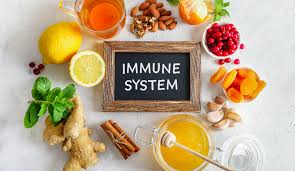
INTRODUCTION
Your immune system is your body’s natural defense against infections diseases and harmful microorganisms Every day your body encounters bacteria viruses fungi and other threats that have the potential to make you sick Fortunately a healthy immune system works around the clock to identify and destroy these invaders before they can cause serious harm
In today’s world maintaining a strong immune system is more important than ever Environmental pollution poor nutrition chronic stress lack of sleep and sedentary lifestyles can weaken the body’s defenses and make individuals more vulnerable to illness
Many people search for quick fixes and miracle supplements when it comes to immunity However the most effective ways to strengthen your immune system are often natural lifestyle habits practiced consistently over time
The good news is that your daily choices can significantly influence how well your immune system functions By adopting healthy habits you can support your body’s natural ability to fight infections recover faster and maintain long term wellness
This complete guide explores the most effective natural ways to strengthen your immune system and improve your overall health
UNDERSTANDING THE IMMUNE SYSTEM
The immune system is a complex network of cells tissues organs and proteins that work together to protect the body from harmful invaders
Key components of the immune system include
White blood cells
Bone marrow
Lymph nodes
The spleen
The thymus
The digestive system
The skin
These components communicate and coordinate to detect threats and respond appropriately
A strong immune system does not necessarily mean you never get sick Instead it means your body is better equipped to fight infections and recover efficiently
Why a Strong Immune System Matters
A healthy immune system helps
Fight infections
Reduce illness severity
Speed recovery
Protect against harmful microorganisms
Support wound healing
Maintain overall health
Improve quality of life
When immunity is weakened the body may become more susceptible to frequent infections slower healing and increased health complications
EAT A NUTRIENT RICH DIET
One of the most effective ways to support immunity naturally is through proper nutrition
The immune system relies on a steady supply of nutrients to function optimally
Focus on consuming
Fresh fruits
Vegetables
Whole grains
Lean proteins
Healthy fats
Legumes
Nuts and seeds
A diverse and balanced diet provides the vitamins minerals and antioxidants needed for immune health
INCREASE YOUR VITAMIN C INTAKE
Vitamin C plays an important role in supporting immune function
It helps stimulate the production and activity of white blood cells which help defend the body against infection
Foods rich in vitamin C include
Oranges
Lemons
Limes
Guava
Mangoes
Papaya
Pineapple
Bell peppers
Tomatoes
Leafy green vegetables
Regular consumption of vitamin C rich foods can help support healthy immune responses
GET ENOUGH VITAMIN A
Vitamin A helps maintain healthy skin and mucous membranes which act as important barriers against harmful microorganisms
Good sources include
Carrots
Sweet potatoes
Pumpkin
Mangoes
Eggs
Spinach
Dark leafy greens
Vitamin A supports both immune function and overall health
Consume Adequate Protein
Protein is essential for the production of antibodies immune cells and various immune system components
Healthy protein sources include
Fish
Chicken
Eggs
Beans
Lentils
Peas
Nuts
Seeds
Lean meats
A lack of protein may impair immune function and slow recovery from illness
PRIORITIZE QUALITY SLEEP
Sleep is one of the most powerful natural immune boosters available
During sleep the body repairs tissues regulates inflammation and produces important immune signaling molecules
Benefits of adequate sleep include
Improved immune response
Better recovery
Reduced inflammation
Enhanced overall health
Most adults require seven to nine hours of quality sleep each night
Chronic sleep deprivation can weaken immunity and increase susceptibility to infections
Stay Physically Active
Regular exercise supports immune function in several ways
Physical activity improves circulation allowing immune cells to move more efficiently throughout the body
Benefits include
Improved cardiovascular health
Reduced inflammation
Better stress management
Enhanced immune surveillance
Examples of beneficial activities include
Walking
Jogging
Swimming
Cycling
Dancing
Strength training
Yoga
Moderate consistent exercise tends to provide the greatest benefits
Manage Stress Effectively
Chronic stress can suppress immune function over time
When stress hormones remain elevated for prolonged periods the immune system may become less effective at fighting infections
Helpful stress management techniques include
Meditation
Prayer
Deep breathing
Exercise
Reading
Listening to music
Spending time with loved ones
Nature walks
Reducing stress supports both mental and physical health
Stay Properly Hydrated
Water plays an essential role in nearly every bodily function including immune health
Proper hydration supports
Nutrient transport
Waste removal
Circulation
Cellular function
Temperature regulation
Aim to drink sufficient water throughout the day particularly in hot climates where fluid losses through sweating may be higher
Support Gut Health
A large portion of the immune system is closely connected to the digestive tract
Maintaining a healthy gut environment can positively influence immune function
Ways to support gut health include
Eating fiber rich foods
Consuming fruits and vegetables
Staying hydrated
Limiting highly processed foods
Managing stress
Supporting digestive health contributes to overall immunity
Spend Time Outdoors
Moderate exposure to sunlight helps the body produce vitamin D which plays an important role in immune regulation
Outdoor activity also provides benefits for
Mental wellbeing
Physical fitness
Stress reduction
Overall health
Balance is important and excessive sun exposure should be avoided
Maintain a Healthy Weight
Both undernutrition and obesity can negatively affect immune function
Maintaining a healthy body weight supports
Reduced inflammation
Improved metabolic health
Better immune regulation
Enhanced overall wellbeing
Healthy eating and regular physical activity are important tools for weight management
Avoid Smoking
Smoking damages multiple systems throughout the body and weakens immune defenses
Smoking may contribute to
Reduced immune response
Increased infection risk
Slower healing
Respiratory problems
Avoiding tobacco products helps support stronger immunity and better long term health
Limit Excessive Alcohol Consumption
Excessive alcohol intake can impair immune function and increase susceptibility to illness
Moderation helps protect overall health and supports more effective immune responses
Practice Good Hygiene
Good hygiene reduces exposure to harmful microorganisms and helps prevent infections
Important habits include
Regular hand washing
Safe food handling
Oral hygiene
Clean clothing
Regular bathing
Proper wound care
Hygiene works alongside the immune system to reduce disease risk
Support Healthy Skin
The skin serves as an important physical barrier against infection
Protect your skin by
Keeping it clean
Staying hydrated
Treating cuts promptly
Using appropriate skincare products
Protecting against excessive sun exposure
Healthy skin contributes to overall immune defense
Include Immune Supporting Foods
Many foods contain nutrients and compounds that help support immune health
Examples include
Garlic
Ginger
Turmeric
Citrus fruits
Leafy greens
Berries
Yogurt
Nuts
Seeds
Fatty fish
A varied diet provides a broad range of beneficial nutrients
Reduce Excess Sugar Intake
High sugar consumption may contribute to inflammation and negatively affect certain aspects of immune function
Reducing excessive sugar intake can support overall health and wellness
Focus on balanced nutrition rather than heavily processed foods and sugary beverages
Build Healthy Daily Habits
Strong immunity is usually the result of consistent healthy habits rather than occasional efforts
Important daily practices include
Eating nutritious meals
Staying active
Sleeping well
Managing stress
Drinking enough water
Maintaining good hygiene
Avoiding harmful substances
Small positive actions performed consistently often produce the greatest long term benefits
Common Habits That Can Weaken Immunity
Poor nutrition
Sleep deprivation
Chronic stress
Physical inactivity
Smoking
Excessive alcohol consumption
Dehydration
Poor hygiene
Highly processed diets
Ignoring chronic health conditions
Avoiding these habits can help support stronger immune function
When To Seek Medical Advice
Although lifestyle habits are important persistent health issues should be evaluated by a healthcare professional
Seek medical attention if you experience
Frequent infections
Unexplained fatigue
Persistent fever
Slow wound healing
Recurring illnesses
Other concerning symptoms
Professional assessment can help identify underlying causes and appropriate treatment options
CONCLUSION
Your immune system plays a critical role in protecting your health and helping your body fight disease While there is no single food supplement or shortcut that guarantees perfect immunity there are many natural ways to strengthen your body’s defenses
Eating a nutritious diet staying physically active sleeping well managing stress maintaining hydration supporting gut health and practicing good hygiene all contribute to stronger immune function
The most effective approach is consistency Healthy habits performed daily create a strong foundation for long term wellness and disease prevention
By investing in your health today you can support a stronger immune system improve your quality of life and help your body remain resilient against future health challenges
Frequently Asked Questions
Can I strengthen my immune system naturally
Yes healthy lifestyle habits such as proper nutrition regular exercise adequate sleep and stress management can support immune function naturally
Which foods are best for immunity
Fruits vegetables lean proteins nuts seeds fatty fish garlic ginger and other nutrient rich foods can support immune health
Does sleep affect the immune system
Yes adequate sleep is essential for immune regulation recovery and overall health
How much water should I drink for good immunity
Hydration needs vary by individual but drinking enough water throughout the day supports healthy immune function
Can stress weaken immunity
Yes chronic stress may suppress immune function and increase vulnerability to illness
Does exercise improve immunity
Regular moderate exercise supports circulation immune activity and overall health
Are supplements necessary for a strong immune system
Most people can obtain many essential nutrients through a balanced diet although individual needs may vary and should be discussed with a healthcare professional
How long does it take to improve immunity naturally
Positive lifestyle changes can begin supporting immune health within weeks although long term consistency provides the greatest benefits