INTRODUCTION
Ringworm is one of the most common skin infections affecting people of all ages across Africa Despite its name ringworm is not caused by a worm It is a fungal infection that develops on the skin scalp nails or feet and can spread quickly if left untreated
Because ringworm often starts as a small patch of irritated skin many people ignore the early signs until the infection becomes more noticeable Unfortunately delaying treatment allows the fungus to spread to other areas of the body and even to other people
Learning how to identify ringworm early can help prevent discomfort reduce the risk of spreading the infection and make treatment more effective In this guide you will learn the early signs of ringworm common causes risk factors treatment options and practical prevention tips
WHAT IS RINGWORM
Ringworm is a contagious fungal infection caused by a group of fungi known as dermatophytes
These fungi feed on keratin which is a protein found in the skin hair and nails
Ringworm can affect different parts of the body including
The scalp
The face
The neck
The arms
The legs
The feet
The groin area
The nails
The infection is known by different names depending on the area affected but the cause remains the same
Why Early Detection Matters
Identifying ringworm early offers several important benefits
Treatment is usually easier and faster
The infection is less likely to spread
The risk of infecting family members decreases
Skin damage and discoloration may be reduced
Complications become less likely
The earlier treatment begins the easier it is to control the infection
What Does Ringworm Look Like in the Early Stages
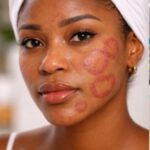
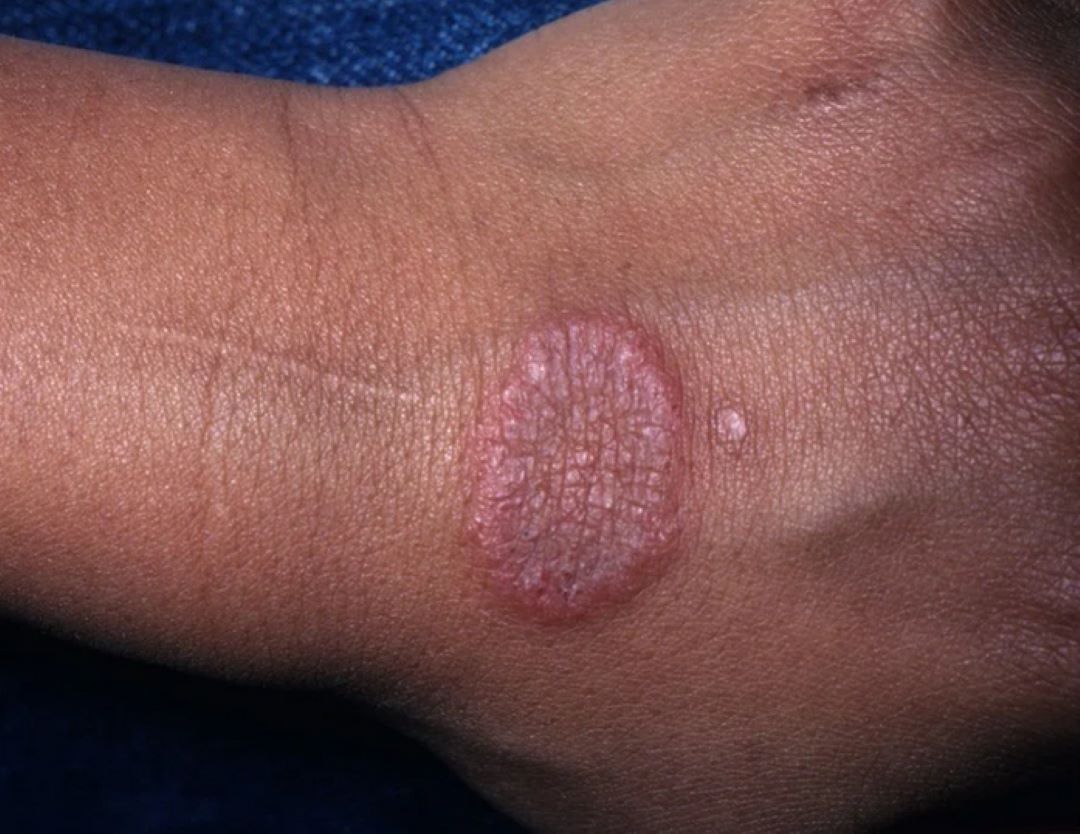
In its earliest stages ringworm may appear as a small round or oval patch on the skin
Many people mistake it for a simple rash insect bite or dry skin
The affected area often starts as
A slightly red patch
A dry scaly area
A mildly itchy spot
A small circular rash
A patch with raised edges
As the infection grows the appearance becomes more distinct
EARLY SIGNS OF RINGWORM
Persistent Itching
One of the earliest signs of ringworm is itching
The itching may be mild at first but often becomes more noticeable as the infection spreads
The affected area may feel irritated especially after sweating or exposure to heat
Circular Skin Patches
Ringworm commonly forms circular or ring shaped patches on the skin
The edges of the patch are often more noticeable than the center
This ring like appearance is what gives ringworm its name
Redness
Early ringworm frequently causes redness around the affected area
The redness may gradually expand outward as the fungus spreads
Scaly or Flaky Skin
The infected skin often becomes dry flaky or scaly
This symptom is commonly mistaken for ordinary dry skin
Raised Borders
One of the most recognizable features of ringworm is a raised border around the infected patch
The outer edge may appear more inflamed than the center
Slow Expansion
Unlike many skin irritations ringworm tends to grow gradually over time
The patch may start small and slowly increase in size over several days or weeks
RINGWORM SYMPTOMS BY BODY AREA
Ringworm on the Body
Common signs include
Circular patches
Redness
Scaling
Itching
Raised borders
Ringworm on the Scalp
Symptoms may include
Scaly patches
Itching
Hair loss
Broken hairs
Tender areas on the scalp
Scalp ringworm is especially common in children
Ringworm on the Feet
Often known as athletes foot
Symptoms include
Peeling skin
Cracks between the toes
Burning sensation
Itching
Dryness
Ringworm in the Groin Area
Often called jock itch
Symptoms include
Red rash
Intense itching
Skin irritation
Flaking skin
Discomfort during movement
Ringworm on the Nails
Nail infections may cause
Discoloration
Thickening
Brittleness
Cracking
Distorted nail shape
COMMON CAUSES OF RINGWORM
Ringworm develops when fungal organisms come into contact with the skin
Common sources include
Direct contact with an infected person
Contact with infected animals
Sharing contaminated items
Touching contaminated surfaces
Walking barefoot in public areas
The fungus thrives in warm moist environments
Who Is Most at Risk
Certain factors increase the likelihood of developing ringworm
Living in hot humid climates
Excessive sweating
Poor hygiene
Sharing personal items
Participating in contact sports
Frequent contact with animals
Weakened immune system
Crowded living conditions
These factors can make fungal infections easier to contract and spread
HOW RINGWORM SPREADS
Ringworm is highly contagious
The infection can spread through
Skin to skin contact
Shared clothing
Shared towels
Hair brushes
Bed sheets
Footwear
Pets and livestock
Public showers and locker rooms
Preventing transmission is important for controlling outbreaks
CONDITIONS OFTEN MISTAKEN FOR RINGWORM
Several skin conditions may resemble ringworm
Eczema
Psoriasis
Contact dermatitis
Insect bites
Dry skin
Fungal acne
Because symptoms can overlap proper diagnosis is important
HOW TO CONFOIRM RINGWORM
Although the appearance of ringworm is often distinctive professional diagnosis may sometimes be necessary
Healthcare professionals may examine
The appearance of the rash
The pattern of spread
Skin scrapings under a microscope
Laboratory testing when needed
Accurate diagnosis helps ensure effective treatment
HOW TO TREAT RINGWORM EARLY
Antifungal Creams
Most mild cases respond well to topical antifungal creams
Early treatment often prevents further spread
Keep the Area Clean
Clean skin reduces fungal growth and supports healing
Keep the Area Dry
Fungi thrive in moist environments
Drying the affected area thoroughly helps improve treatment success
Avoid Scratching
Scratching can spread the infection to nearby skin and increase irritation
Wash Clothing and Bedding
Regular washing helps remove fungal spores and prevent reinfection
Avoid Sharing Personal Items
Do not share towels clothing footwear or grooming tools during treatment
NATURAL SUPPORTIVE MEASURES
Some natural approaches may help support skin health alongside appropriate treatment
Examples include
Tea tree oil
Aloe vera
Neem
Proper hygiene
Healthy nutrition
Natural remedies should not replace medical treatment when an active infection is present
HOW TO PREVENT RINGWORM
Maintain good personal hygiene
Bathe regularly
Keep skin dry
Wear breathable clothing
Avoid sharing personal items
Wash hands frequently
Clean sports equipment regularly
Treat infected pets when necessary
Change sweaty clothes promptly
Consistent prevention greatly reduces the risk of infection
When to Seek Medical Attention
Consult a healthcare professional if
The infection continues spreading
Symptoms become severe
The scalp is affected
The nails become infected
Home treatment is ineffective
The infection repeatedly returns
Early professional care can prevent complications and speed recovery
COMMON MYTH ABOUT RINGWORM
Ringworm Is Caused by Worms
This is false
Ringworm is caused by fungi not worms
Ringworm Only Affects Children
Although common in children adults can also develop ringworm
Ringworm Will Go Away on Its Own
Many cases continue spreading without treatment
Proper treatment is usually necessary
You Can Only Get Ringworm From People
Animals contaminated objects and public surfaces can also spread the infection
CONCLUSION
Ringworm is a common fungal infection that can affect the skin scalp feet groin and nails Early detection is important because prompt treatment can prevent the infection from spreading and reduce recovery time
Recognizing symptoms such as itching circular patches redness scaling and raised borders allows individuals to identify ringworm before it becomes severe
By maintaining good hygiene avoiding shared personal items keeping the skin dry and seeking treatment early most cases of ringworm can be managed successfully
Healthy skin begins with awareness prevention and timely action Understanding how to identify ringworm early can help protect both you and those around you from unnecessary discomfort and infection
FREQUENTLY ASKED QUESTIONS
What is the first sign of ringworm
The first sign is often a small itchy red patch that gradually expands over time
Can ringworm start as a tiny spot
Yes ringworm commonly begins as a small circular or oval spot before growing larger
Does ringworm always itch
Most cases cause itching but the severity varies from person to person
Can ringworm spread to other parts of the body
Yes scratching or direct contact can spread ringworm to nearby skin areas
How quickly should ringworm be treated
Treatment should begin as soon as possible after symptoms are noticed to prevent spreading and speed recovery